Putting
Things
Back
JEWISH BRESLAUERS
AND THEIR OBJECTS
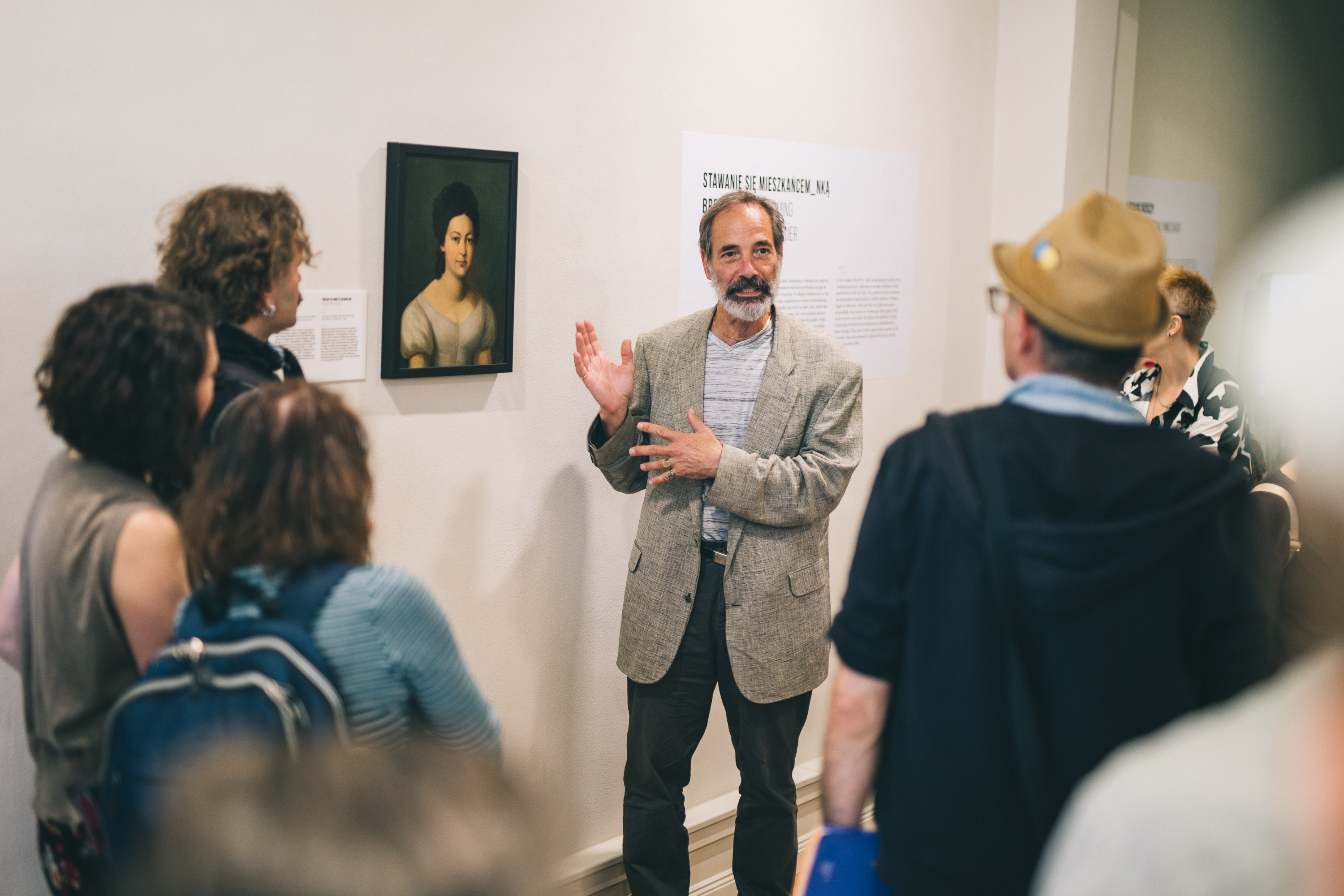
The exhibition ran from May to September 2024 at the OP ENHEIM Cultural Center in Wrocław. It was the first project of this type in Poland, based on the private collections of Jewish families from prewar Breslau – including, among others, the Hadda, Freund, Herz, Cohn, Tischler, Zadik, Falk, Sklarz, and Peritz families – created in collaboration with them.
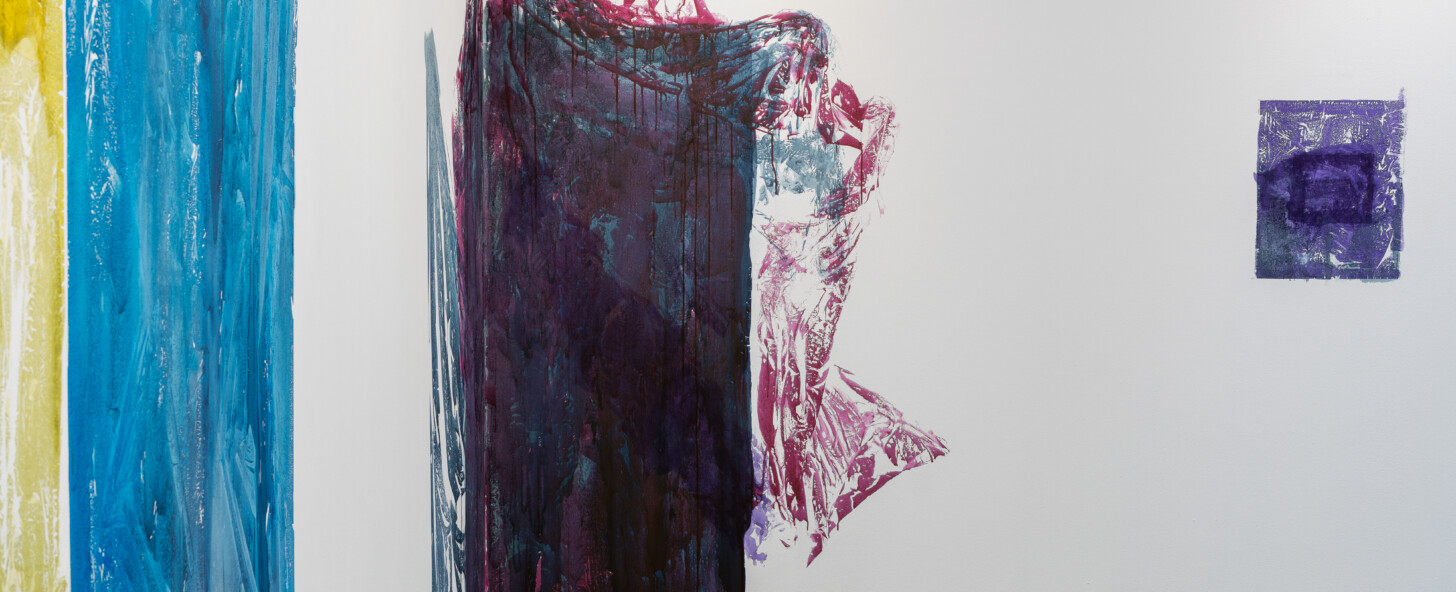
Over 2,300 people from 27 countries visited the exhibit and learned about various aspects of Jewish bourgeois life – private, religious, cultural, and professional – throughout the 18th, 19th, and 20th centuries. The exhibition was accompanied by a site-specific artistic commentary and a performance at the closing ceremony.
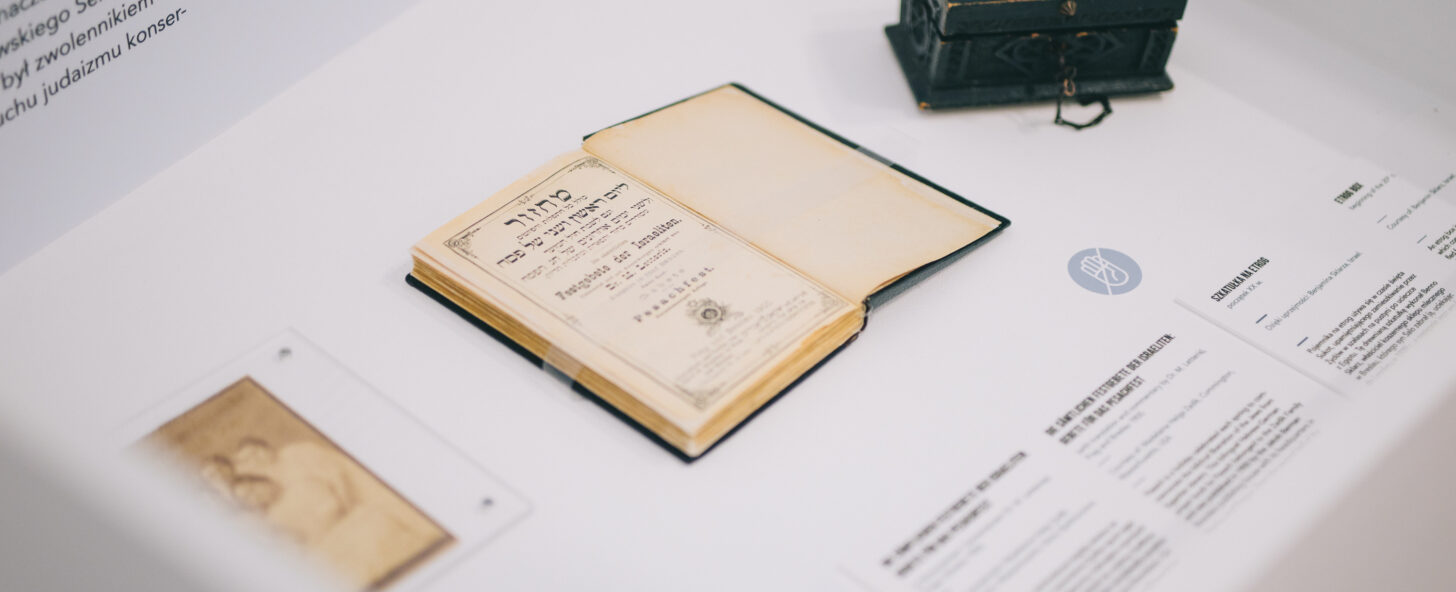
The digital version of the exhibition presents a narrative organized into thematic areas – just as originally visitors moved from room to room – and digitized objects, including several 3D models and photographic documentation from the exhibit at OP ENHEIM.
Themes
-
Introduction
Breslau and Wrocław – a city of multiple identities and two biographies, divided by the Nazi era and World War II, the consequences of which particularly affected the pre-war community of German Jews in Breslau.
-
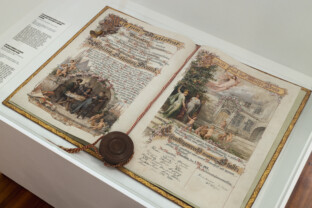
BECOMING A BRESLAUER
In the middle of the 18th c., after a long absence resulting from medieval expulsions, Jews were once again allowed to settle permanently in the city.
-
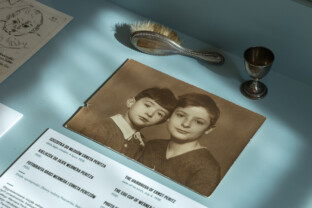
FAMILY
Many of the objects that wandered the world point to intimate moments in family life as well as close connections to Breslau.
-
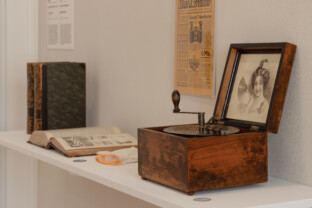
WORK
From 1790, Jews in Silesia, including Breslau, were allowed to take up employment in industry. Soon, many became owners of land estates, banks, internationally renowned companies, and department stores.
-
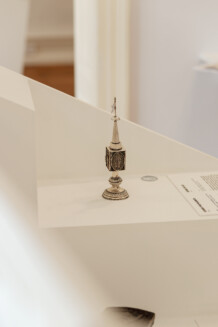
RELIGION
The Emancipation Act of 1812 was a first, significant step toward the granting of equal civic rights to Jews in Prussia. In Breslau, this change in civic status gave impetus to further Jewish integration into mainstream society and led to modifications in religious practices and attitudes toward tradition.
-

CULTURE AND LEISURE
Jews from Breslau were highly active on the cultural scene. Among them were nationally and internationally celebrated figures, such as the writer Emil Ludwig, painters like Eugen Spiro, and musicians and composers such as Otto Klemperer.
-
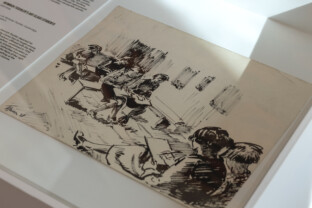
EDUCATION
From the mid-19th c., thanks to the Jewish Theological Seminary, Breslau was a world center for Jewish higher religious education, attracting students and professors from across Germany and abroad.
-
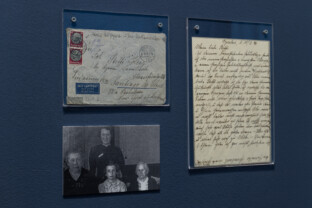
BROKEN TIES
In 1933, the National Socialist German Workers’ Party (NSDAP), led by Adolf Hitler, came to power in Germany. In Breslau, more than 40% of the residents voted for the Nazis.
-
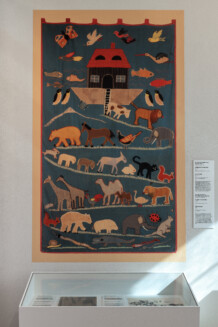
CIRCULATION OF OBJECTS
Beginning with the persecution of the Jewish community in Germany in the 1930s and forced emigration, through World War II and after its end, Jewish objects circulated and changed hands: stolen, appropriated; less often saved or found.